Raised Stage (เวทียกพื้น): The Professional Foundation for Modern Event Management
Raised Stage (เวทียกพื้น): The Essential Platform for Professional Events
A raised stage is one of the most important elements in modern event production. Whether the event is a corporate conference,
product launch, graduation ceremony, fashion show, concert, or exhibition, the raised stage plays a crucial role in visibility,
branding, safety, and audience experience. In today’s competitive event industry, the stage is not just a platform—it is the visual and
functional centerpiece of the entire production.
What Is a Raised Stage?
A raised stage is a stage structure elevated above ground level to improve visibility and create a clear focal point for performances,
presentations, and ceremonies. It is typically built using modular structures made from steel or aluminum frames and topped with
durable stage panels covered with carpet or anti-slip surfaces.
Raised stages are designed to be:
Strong and weight-bearing
Modular and adjustable in size
Easy to install and dismantle
Safe for performers, speakers, and equipment
Why a Raised Stage Is Essential for Events
The primary function of a raised stage is to ensure that all audience members can clearly see what is happening on stage. However,
the benefits extend far beyond visibility:
Professional appearance: Elevates the overall image of the event
Improved audience engagement: Better sightlines lead to higher attention and interaction
Brand positioning: Enhances brand credibility during launches and press events
Safety: Prevents crowd interference with performers and speakers
Photography and media: Creates clean visual framing for livestreams and press coverage
H2: Applications of a Raised Stage
Raised stages are widely used across different industries and event types:
Corporate seminars and conferences
Product launches and brand activations
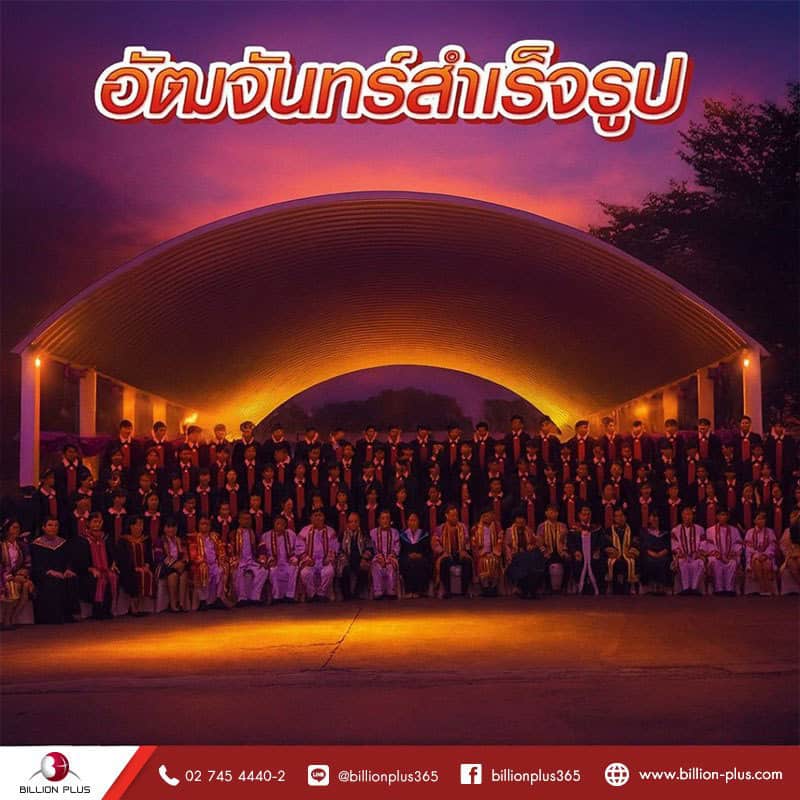
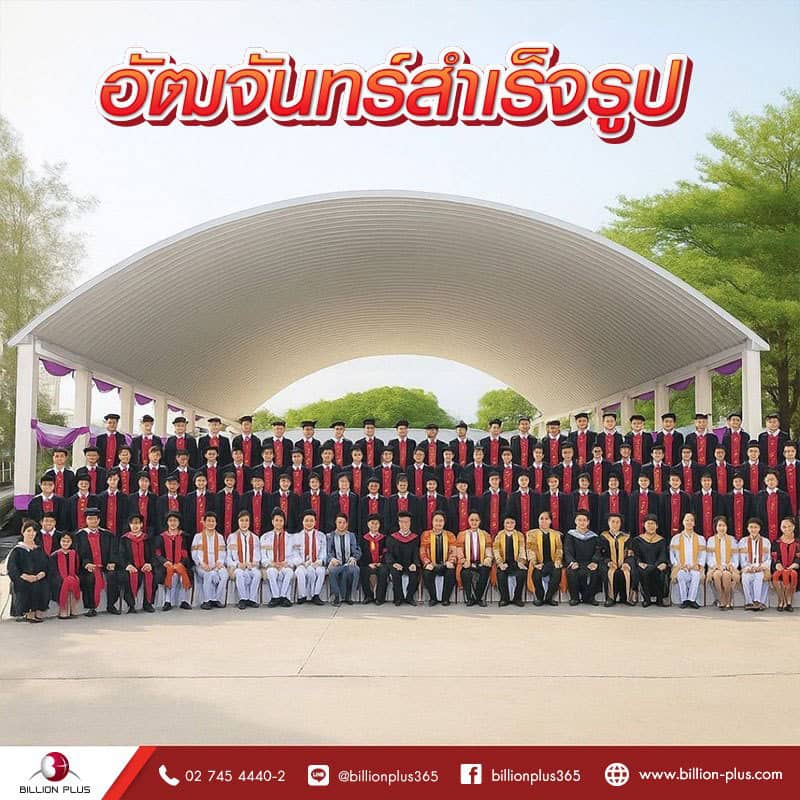
Graduation ceremonies
Concerts and performances
Fashion runways and talent shows
Government ceremonies and public events
Religious and cultural ceremonies
Each application requires different stage heights, load capacities, and design configurations.
Structural Components of a Raised Stage
A standard raised stage consists of several main components:
Steel or aluminum supporting legs for load-bearing
Stage deck panels made from plywood, fiberglass, or aluminum
Carpet or vinyl surface coating for grip and aesthetics
Skirting (stage skirt) for clean appearance
Staircases and access ramps for safe entry and exit
These components can be customized to match branding themes and event styles through color selection, lighting integration, and branding elements.
Safety Standards for Raised Stages
Safety is critical in any stage installation. Professional raised stages follow strict safety standards:
Load-bearing capacity of 500–1,000 kg per square meter
Anti-slip surface coatings
Locking leg systems and reinforced joints
Even height alignment across all modules
Proper stair support and side protection
Using certified event-stage systems significantly reduces accident risks and ensures legal compliance in public venues.
Advantages of Modular Raised Stages
Modern raised stages are typically modular, meaning multiple square panels can be assembled into any size or shape. The benefits of modular systems include:
Flexible design configurations
Future scalability
Reusability across different event formats
Cost-efficiency for long-term use
Fast assembly and teardown
This makes them ideal for event organizers, rental companies, and exhibition contractors.
Customization and Branding on Raised Stages
Today’s raised stages are not just functional—they are branding tools. Customization options include:
Carpet color to match brand identity
LED edge lighting for premium visual effects
Custom stage skirts with printed logos
Integrated backdrop and truss structures
Lighting, sound, and digital screen support
These enhancements significantly elevate the perceived value of the entire event.
Raised Stage in Exhibition and Trade Show Events
In exhibition environments, a raised stage functions as a powerful marketing tool. It helps exhibitors:
Conduct product demonstrations
Host mini seminars or workshops
Perform live shows to attract foot traffic
Create high-visibility brand zones
A raised stage in an exhibition booth instantly draws attention and increases visitor engagement.
Choosing the Right Raised Stage for Your Event
When selecting a raised stage, the following factors should be considered:
Event type and audience size
Indoor or outdoor installation
Weight of equipment and performers
Required stage height
Available space and logistics
Installation time and dismantling schedule
Professional consultation ensures optimal performance and safety.
Future Trends in Raised Stage Systems
With the growth of hybrid events, virtual streaming, and multimedia presentations, raised stages are evolving rapidly. Trends include:
Lightweight aluminum structures
Smart LED stage surfaces
Built-in cable management
Modular hybrid stage-backdrop systems
Sustainable materials and reusable systems
These innovations will continue shaping the future of event design.
The raised stage is the foundation of every successful event. From visibility and safety to branding and audience engagement, it directly influences
the overall quality and impact of the event. Investing in high-quality raised stage systems is not just a technical decision—it is a strategic business
decision that enhances professionalism, credibility, and audience experience.
Billion Plus Communication
Line Official: @billionplus365 : http://bit.ly/2WtidaC
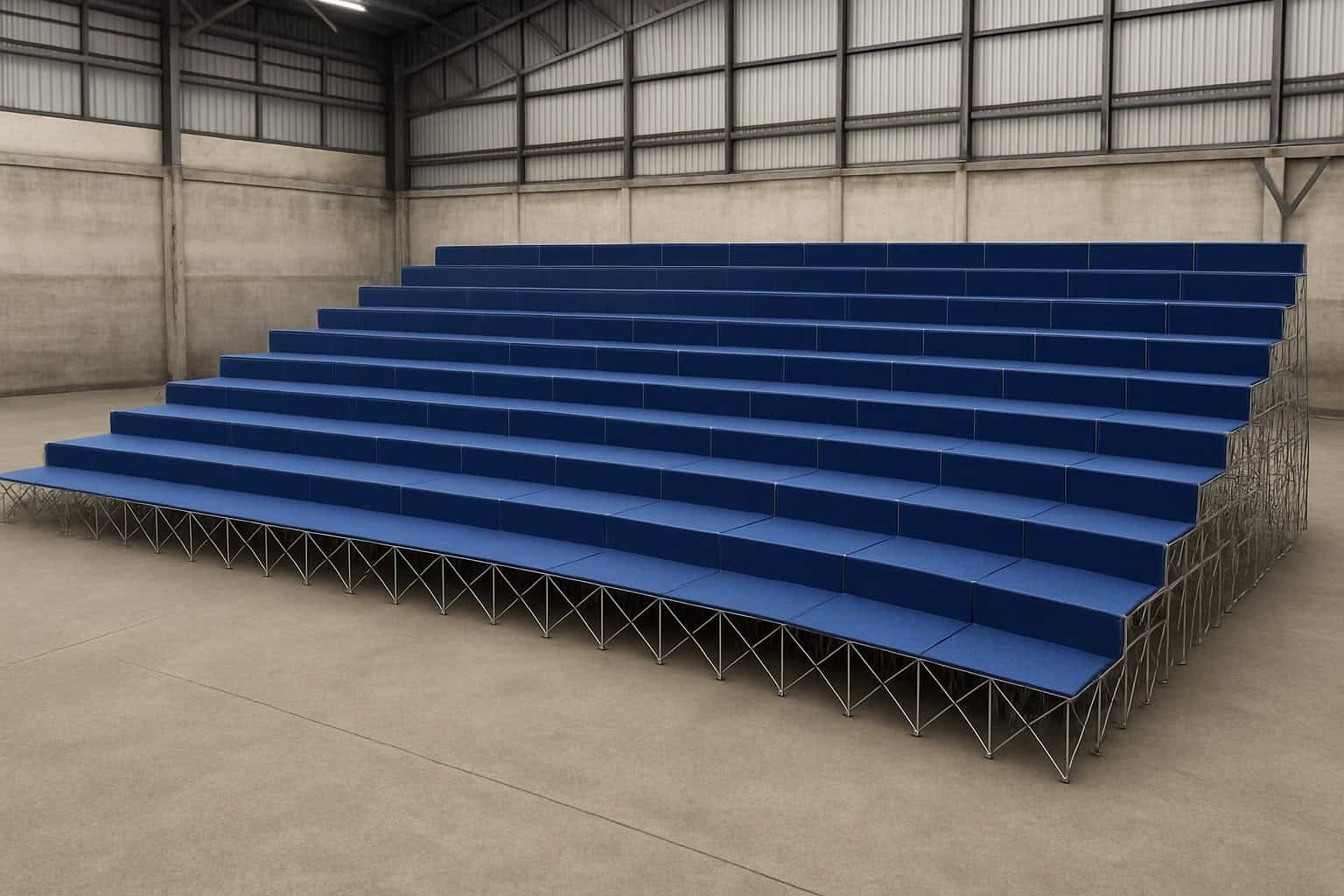
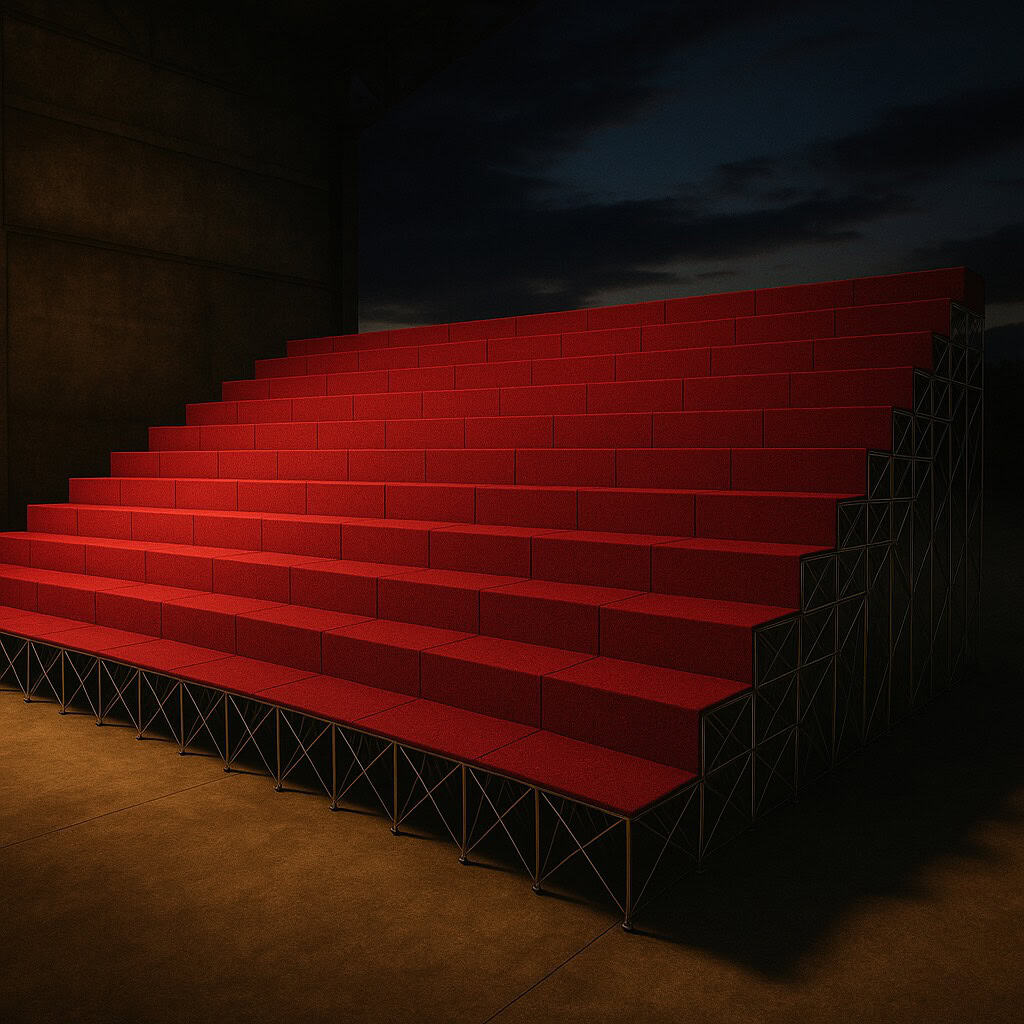
เวทีแบบขั้นบันได https://www.billion-plus.com/portfolio/เวทีสำเร็จรูป-aluminum-stage
Blog : https://www.billion-plus.com/blog
Facebook : https://www.facebook.com/billionplus365
Email : billionplus1@gmail.com
Tel : 096-654-9595
095-942-9456
095-942-4299







 Advertisement » »


 / โทร: 0867170044 ; [อัพเดท 29/08/2026]